
Kayaking Bayou St. John: New Orleans’ Paddle Inside the City
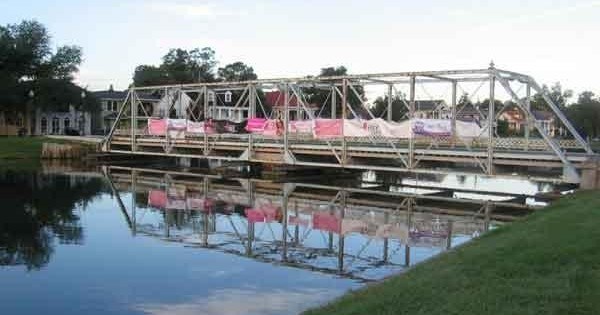
Most people who come to New Orleans think you have to drive out of town to get on the water. You don’t. There’s a bayou running right through the middle of the city, past front porches and live oaks and the edge of City Park, and on a good morning it’s some of the easiest, prettiest flatwater paddling you’ll find anywhere. It’s called Bayou St. John, and locals have been paddling it for a very long time. Longer than the city itself, actually.
We spend most of our time guiding out in the wild cypress country at Manchac, so let me say this up front: Bayou St. John is not a swamp. It’s an urban paddle, and that’s exactly the point. Some days you want deep wilderness. Some days you want an hour on calm water with a coffee, watching a heron ignore a jogger. This post is about the second kind of day, and it’s honest about the difference.
A bayou that runs straight through the city
If you’re fuzzy on what a bayou even is, we wrote up what a bayou actually is in plain terms, but the short version: a bayou is a slow, sluggish, low-lying waterway, usually flat and calm, the opposite of a rushing river. Bayou St. John fits that to a tee. It winds through the Mid-City area of New Orleans and connects toward Lake Pontchartrain to the north.
The water is calm and flat. There’s no current to fight, no rapids, no motors churning it up. You’re paddling past historic neighborhoods, under bridges, alongside a linear stretch of green that includes the edge of City Park. It’s the rare place where the scenery is houses and moss-draped oaks at the same time.
The back door that built New Orleans
Here’s the part that surprises people. This calm little city bayou is a big reason New Orleans exists where it does.
Long before the city was founded, Native Americans used Bayou St. John as part of a portage route, a shortcut, between Lake Pontchartrain and the Mississippi River. Instead of taking the long, dangerous way around the mouth of the Mississippi, you could slip in through the lake, up the bayou, and carry your boat the last stretch over to the river. A back door to the site of New Orleans. The French learned the same route from the people who already knew it, and that shortcut is a big part of why the city landed right here instead of somewhere else.
I love that. You’re floating past someone’s backyard on a Tuesday, and you’re on the exact water that made this whole city make sense geographically. It’s the same “back door” logic that shows up all over this region’s history. If you want the deeper version of that portage-and-shortcut story out in the swamp country, we get into it in the back door that built the region, and Bayou St. John earns its place among the famous bayous of Louisiana for exactly this reason.
What it feels like to paddle it
Easy. That’s the honest one-word answer.
The water is flat, the pace is yours, and you’re never far from a bridge or a bank if you need to get off the water. It’s a good beginner paddle and a good casual outing, the kind of thing you can do in an afternoon without training for it. A few things to expect so you’re not surprised:
- Calm, flatwater conditions most days, with no whitewater and no motorboat traffic to speak of
- City scenery: houses, front lawns, bridges, and the tree line of City Park
- Other people out enjoying it, joggers on the banks, folks fishing, other paddlers
- Historic neighborhoods on both sides, so the views lean charming-and-residential, not remote
This is not a place where you disappear into the wilderness. You’ll hear traffic. You’ll see rooftops. That’s not a knock, it’s the whole character of the thing. An urban paddle is its own pleasure.
What you’ll actually see
I won’t promise you a specific animal, because nobody honestly can, and I don’t like tours that pretend otherwise. But Bayou St. John has real life on it. Wading birds work the shallows. You’ll likely see herons and egrets standing patient along the edges, turtles on whatever they can climb onto, fish moving under a still surface. Overhead you get the big Mid-City oaks and the open sky.
The scenery is half nature, half neighborhood, and that mix is what makes it feel like New Orleans specifically. You’re not looking at untouched cypress forest. You’re looking at a working piece of the city that also happens to have birds on it.
Bayou St. John vs. a real swamp trip
This is the comparison people actually want, so let me be straight about it. These are two different experiences, and I’d tell you to do both.
Bayou St. John is the easy in-city paddle. Calm water, quick to get to, charming, casual, low commitment. Perfect for a beginner, a family afternoon, or a morning when you just want to be on the water without a plan.
A guided Manchac Swamp kayak tour is the wild one. That’s cypress and black water and the real chance of a gator ten feet off your bow, out in the drowned-forest country northwest of the city. It’s the deep-wilderness version, with a naturalist guide, no motors, and the kind of quiet you only get where there are no houses. Different animal entirely. (If you want to nerd out on how the swamps themselves differ, we broke down how Manchac compares to Honey Island.)
Here’s how I’d put it. Bayou St. John shows you the city’s water. Manchac shows you what Louisiana looked like before the city. One’s a lovely hour in Mid-City. The other is the trip you remember for years. Both are worth your time, and they scratch completely different itches.
Who this paddle is for
Reach for Bayou St. John when:
- You’re new to kayaking and want calm, forgiving water
- You’ve got kids or a mixed-ability group and want something low-stress
- You’re short on time and don’t want to drive out of the city
- You want a casual, scenic outing more than a wildlife expedition
- You’re staying in or near Mid-City and want to make the most of a free morning
- You just want to be on the water with minimal fuss
If what you’re really after is deep swamp, alligators, and cypress, that’s a different trip, and I’d point you toward Manchac instead.
How to do it right
A few honest pointers. Bayou St. John has several access points around the Mid-City and City Park area, so getting on the water isn’t hard, but rules and put-in access can change, so check current local access before you go rather than trusting an old blog post (this one included). Go early if you can. Morning is calmer, cooler, and quieter, and the light on the water is better. Bring sun protection and water, because there’s not a lot of shade out in the middle. And treat it like the shared neighborhood space it is, because it belongs to the joggers and the fishermen and the folks on their porches too.
Crescent City Kayak rents kayaks if you want to get out on your own, and if you decide the real swamp is calling, that’s what we do best. See the swamp the right way: low, slow, and silent, with a guide who knows the history you just read. Our Manchac Swamp kayak tour is a two-hour guided paddle, small group, $65 a person, no motors, with pickup at 740 N Rampart Street in New Orleans. Bayou St. John for the easy city morning. Manchac when you want the wild.
Frequently Asked Questions
Can you kayak Bayou St. John?
Yes. Bayou St. John is calm, flat, no-current water running through Mid-City New Orleans, and it’s popular for recreational paddling right inside the city. It’s beginner-friendly and casual, with several access points around the Mid-City and City Park area. Rules and put-in access can change, so it’s smart to check current local access before you head out.
Is Bayou St. John good for beginners?
It’s about as beginner-friendly as New Orleans paddling gets. The water is calm and flat with no rapids and essentially no motorboat traffic, and you’re never far from a bank or a bridge. It’s a good pick for first-timers, families, and casual outings. Just remember it’s an urban paddle, so expect houses, bridges, and joggers rather than remote wilderness.
Where can you launch a kayak on Bayou St. John?
There are several access points around the Mid-City and City Park area of New Orleans, so getting on the water is fairly easy. Exact launch spots and access rules can change over time, so check current local access before you go rather than relying on an old list. If you’d rather skip the logistics, Crescent City Kayak also rents kayaks and runs guided trips.