
Do Alligators Attack Kayaks? The Honest Answer for Paddlers
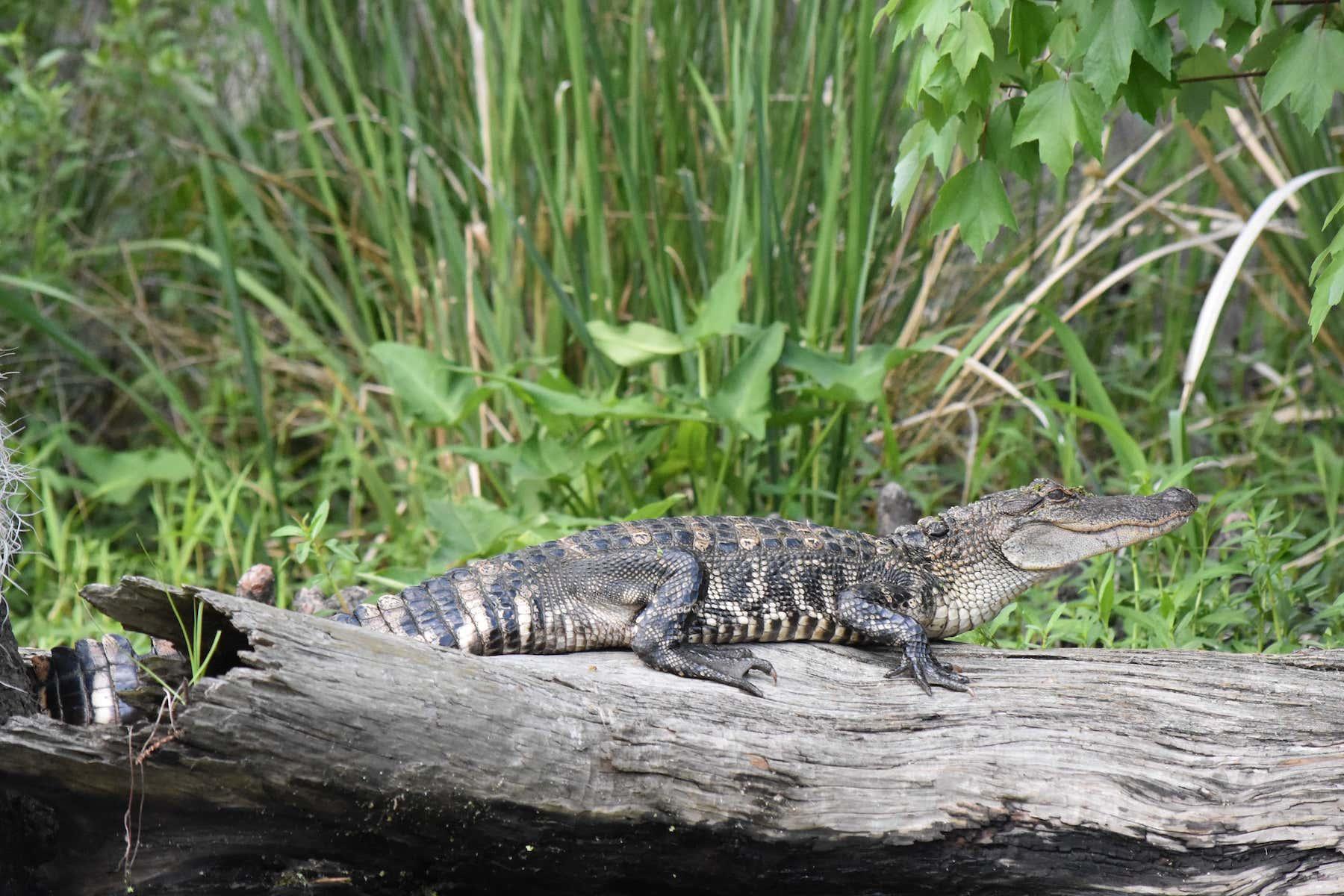
I get this question in the parking lot before we even reach the water, usually from someone who booked the trip and then spent the night before reading horror stories. Do alligators attack kayaks? It’s a fair thing to be scared of. It’s also, mostly, the wrong thing to be scared of.
So here’s the honest answer, the one I give at the put-in, minus the sugarcoating and minus the airboat-operator drama.
The short answer, up front
Wild alligators do not hunt kayaks. Attacks on kayaks and canoes are rare, genuinely rare, and when a bite does happen it almost always traces back to a specific human mistake, not a gator deciding a paddler looks like lunch. That’s the truth. I won’t tell you the risk is zero, because nothing outdoors is zero, but I will tell you it’s low enough that we paddle gator country every week and treat it as normal.
The reason is simple, and it has to do with how a gator sizes you up.
Why a gator looks at your kayak and sees a problem, not a meal
Alligators are ambush predators, and they’re calculating animals. Before one commits to anything, it measures. Is this prey? Can I overpower it? Is it worth the effort and the risk?
You in a 10 to 14 foot kayak fail that math badly. To a gator, you read as one large, strange, floating thing, way too big to swallow and not worth the fight. Wild gators are also shy by default. They’d rather avoid you. On a normal Manchac morning, the gators we pass slide off their logs and disappear before we’re within thirty feet, because their whole instinct is to not deal with something that size. The kayak sitting low and silent on the water helps too. No motor, no wake, nothing that reads as a threat or a challenge. Just scenery drifting by.
That’s the baseline. A shy animal, a boat it can’t eat, and no reason for either of you to bother the other.
So when do bites actually happen?
Here’s where I stay honest, because bites aren’t imaginary. They just cluster around a handful of causes, and every one of them is something you can see coming:
- A gator that people have illegally fed, so it lost its fear of humans and now associates boats with food
- Someone cornering, poking, grabbing, or otherwise provoking one that just wanted to be left alone
- Dangling arms or legs in the water, or worse, a dog or small pet paddling nearby (that splashing, low profile is exactly what reads as prey)
- Drifting too close to a nest or a mound during mating and nesting season, when a female will defend her spot hard
Notice the pattern. None of those are a wild, unbothered gator ambushing a paddler out of nowhere. They’re all a fed animal, a provoked animal, a tempting target, or a territorial mother. Take those four off the table and you’ve removed almost the entire risk.
The one that matters most: fed gators
If you make me rank them, feeding is the whole ballgame. A fed gator is the single biggest risk factor on the water, full stop.
Feeding alligators is illegal in Louisiana, and it’s illegal for exactly this reason. A wild gator wants nothing to do with you. A fed gator has learned that humans and boats mean an easy snack, so it swims toward you instead of away. That’s the animal that gets bold, and bold is the one that bites. This is my actual grievance with the airboat outfits that chuck marshmallows and hot dogs to make gators perform for a photo. Every baited gator is a gator being trained out of the fear that keeps everybody safe. We run a no-bait operation, and it’s not just branding. Keeping the gators wild and wary is the safety plan.
If you want the fuller breakdown, I laid out whether it’s actually safe to kayak with alligators in its own piece.
Mating and nesting season changes the math
Gators aren’t equally mellow year-round. Roughly April through August is mating and nesting season, and a territorial gator is a different animal than the sleepy one sunning on a January log. Males get pushy defending territory. Females get fierce guarding nests. So you give the mounds and the reeds a wide berth in those months and you don’t linger.
This doesn’t mean summer paddling is off-limits. It means you read the calendar and adjust, which is a big part of what a guide is doing for you. If you’re curious how the behavior shifts across the seasons, I wrote up how gator behavior changes through the year separately.
How to paddle safe around alligators
None of this is complicated. If you’re paddling on your own, here’s the whole playbook, and it’s mostly just not doing dumb things:
- Keep about thirty feet of distance, and let a gator that wants space have it
- Never corner one or block its path to open water, an animal that feels trapped is an animal that reacts
- Steer wide around bubbles or a swirl where a gator just submerged, since that’s the one spot you can’t see it
- Keep your hands and feet inside the boat, no dangling limbs as bait
- Paddle smooth and quiet, no slapping or splashing that mimics a struggling animal
- Skip dawn and dusk, when gators feed most actively, and stick to daylight hours
- Leave pets and small kids out of gator-heavy water entirely, they’re the wrong size and the wrong profile
Follow that list and you’ve handled it. For the deeper version on distance specifically, here’s how much space is enough, and if you want the in-the-moment protocol, here’s exactly what to do if one gets close.
Why a guided kayak tour takes the risk off your plate
Here’s my honest bias, since you’re reading a swamp guide’s blog. The easiest way to make all of this a non-issue is to not manage it yourself.
On a guided trip, the distance-reading, the season-reading, the where-not-to-drift, all of that is my job, not yours. I’ve spent enough Manchac mornings out there that I clock a submerged gator by the water alone, and I set the group’s line before anyone has to think about it. A no-bait operation keeps the animals wild, which keeps them wary, which keeps everyone relaxed. And the kayak itself does half the work: it sits low and quiet, so the gators treat it as scenery and go about their business. Most of my nervous first-timers are grinning within twenty minutes, because the real swamp is calmer than the internet made it sound. I never promise a gator sighting, the swamp shows what it shows, but I can promise you won’t be managing the risk alone.
If gators are the whole reason you’re coming to Louisiana, I also mapped out where you’ll actually find them around the city.
Our Manchac Swamp kayak tour is a two-hour guided paddle, small group, no motors, no baiting, $65 a person, launching with a naturalist guide who reads the water so you don’t have to. Come see the swamp the right way. Low, quiet, and close enough to hear it.
Frequently Asked Questions
Do alligators attack kayaks?
Rarely. Wild alligators are shy and avoid people, and to a gator an adult in a 10 to 14 foot kayak reads as too big to be food, so it sizes you up and moves on. Bites on kayaks and canoes are uncommon, and they almost always trace back to a fed gator, a provoked one, dangling limbs or a pet in the water, or getting too close to a nest. The kayak itself sits low and quiet, so gators treat it as scenery.
How rare are alligator attacks on kayakers?
Rare enough that we paddle gator country every week and treat it as routine. Unprovoked bites on paddlers are unusual because a wild gator has no reason to see a large floating boat as prey. When incidents do happen, they cluster around a few specific human mistakes rather than random ambushes: feeding, cornering, tempting the animal with a dangling limb or a dog, or crowding a nest in season. Remove those and you remove nearly all of the risk.
What is the most dangerous time for gators?
Two windows matter. Mating and nesting season, roughly April through August, makes gators more territorial, so males defend turf and females fiercely guard nests. Give mounds and reed beds a wide berth in those months. The other is dawn and dusk, when gators feed most actively, so paddle in daylight instead. Season and time of day are exactly the variables a guide is tracking for you, which is a big part of why a led trip feels so easy.
What should I do if an alligator swims toward my kayak?
Don’t panic and don’t splash. Stop paddling hard, keep your hands and feet inside the boat, and calmly back away to open water while giving the animal a clear path of its own. Never corner it or try to shoo it with your paddle. A gator swimming at you is usually a fed one that learned to expect food, not a hunting one, so the fix is distance. On a guided tour, your guide reads this and repositions the group before it ever becomes a moment.
—