
How to Photograph the Louisiana Swamp (Phone or Camera)
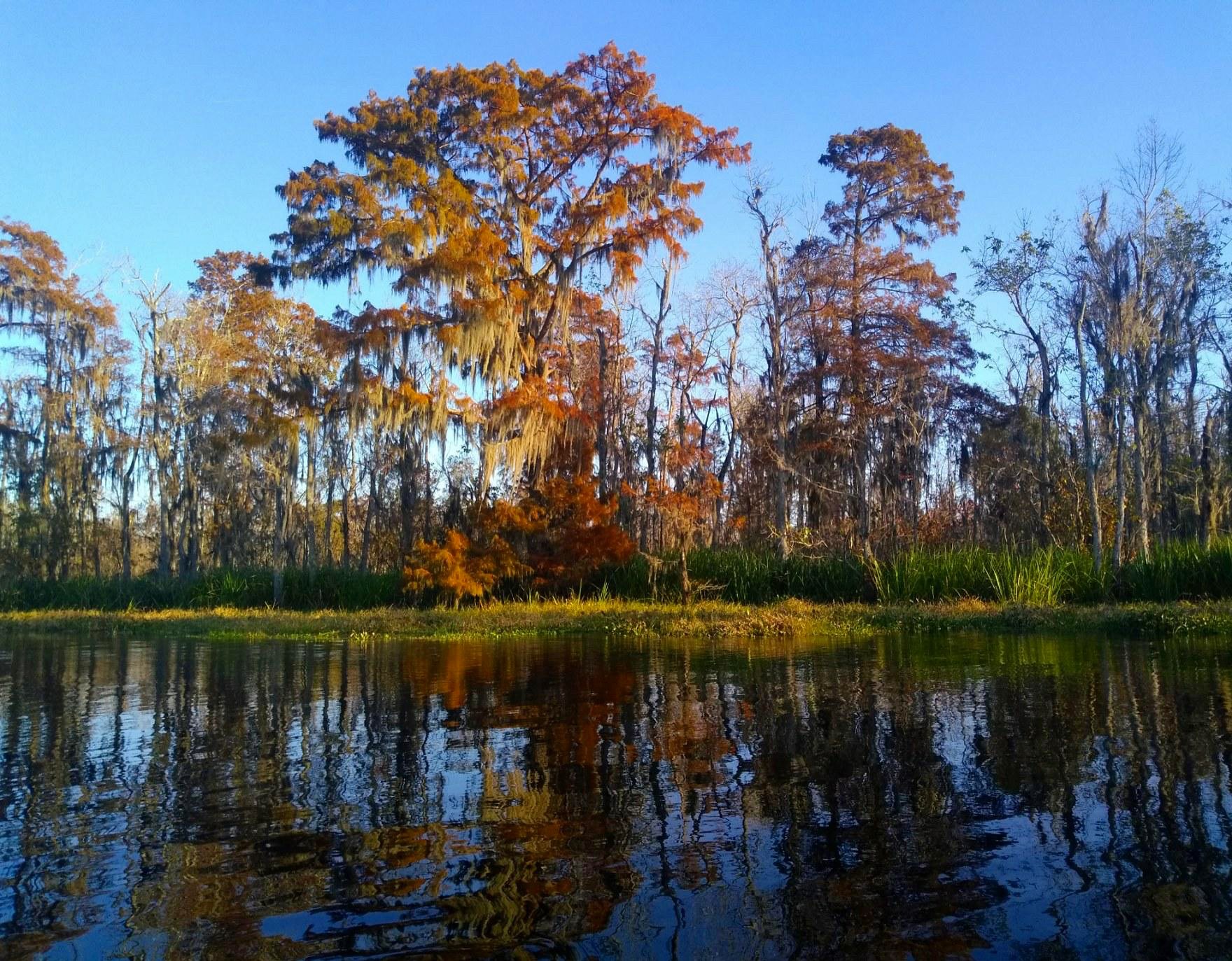
The Louisiana swamp is one of the easiest places to take a great photo and one of the easiest to take a mediocre one. The difference is mostly timing, angle, and not dropping your phone in the water. Phone or real camera, the same rules apply, and a kayak gives you an edge over every other way of seeing the swamp because it is quiet and sits low. Here is how to come home with shots worth keeping.
Shoot at golden hour
Go early. Morning light is best on the water, full stop. Right after sunrise the light is soft and warm, the air is usually still so the water turns into a mirror, and the cypress and Spanish moss glow instead of going flat. Midday sun is harsh and kills the moody feel that makes swamp photos work. If you do one thing to improve your shots, book the earliest tour slot.
Still water is your secret weapon. Those reflection shots where the cypress doubles only happen when the surface is calm, another reason morning beats afternoon when the wind picks up.
Get low
A kayak puts you a foot off the water, and that is a gift. Shoot from where you sit instead of holding the camera up high. A low angle makes the cypress feel taller, puts more reflection in the frame, and gives you that at-the-waterline perspective you simply cannot get from a tall boat. Lean out a little, keep the horizon low in the frame, and let the trees fill the top third.
Protect your gear
You are on the water in a small boat. Plan for water.
- Bring a dry bag for anything you are not actively shooting with. Phones live and die by this.
- Use a wrist strap or float strap on your phone or camera so a fumble does not become a loss.
- Wipe your lens often. Humidity and spray leave a haze that ruins shots you will not notice until later.
- Keep a microfiber cloth somewhere dry and reachable.
If you drop it, it is gone. The swamp does not give things back. Strap everything.
Use a polarizer if you have one
A polarizing filter is the one accessory that genuinely changes swamp photos. It cuts the glare off the water so you can see into it, deepens the sky, and makes the greens pop. It screws onto a camera lens, and there are cheap clip-on versions for phones. Rotate it until the glare drops out. This is the trick that makes water look like water instead of a white sheen.
Shooting alligators and birds
Wildlife is the reason most people came, and it is where the rules tighten. Use zoom and keep your distance. Never paddle closer for the shot and never reach toward a gator. A zoom lens, or your phone’s zoom, lets you fill the frame from a safe distance while your guide holds the kayak at a smart angle. For more on where the gators are and how close is too close, the guide on alligators in New Orleans and where to see them is worth a read before you go.
For birds, herons and egrets spook easily, so a quiet kayak approach plus zoom is the only way to get them before they lift off. Burst mode helps. Take ten frames and keep the one where the wings are spread.
Phone-specific tips
If your camera is your phone, you can still get keepers. Tap to set focus and exposure on the brightest part of the scene so highlights do not blow out. Turn on the grid and put the horizon on the lower line. Use the telephoto lens for wildlife rather than the digital zoom, which gets mushy fast. Shoot in the morning, which matters even more on a phone because the smaller sensor struggles in flat, harsh light.
Why the kayak helps
An airboat is loud and high. It scatters wildlife and shoots from a tourist-bus angle. A kayak is silent and low, so you drift up on a heron instead of announcing yourself, and you shoot at eye level with the water. That quiet is the whole reason the photos come out more intimate. Knowing the landscape helps your eye too, and the difference between a swamp and a bayou will change how you frame it. To line your trip up with the best conditions, check the best time of year to kayak the Louisiana swamp before you book.
Frequently asked questions
What is the best time of day to photograph the swamp?
Early morning. Morning light is best on the water, the air is often still so reflections are sharp, and wildlife is active before the heat sets in. The soft golden light right after sunrise flatters the cypress and Spanish moss far more than harsh midday sun. Book the earliest tour slot you can if photos are the goal.
How do you photograph alligators safely?
Use zoom and keep your distance. Never paddle closer to get the shot, and never reach toward an alligator. A zoom lens or your phone’s zoom lets you fill the frame from a safe distance. Your guide will position the kayak so you have a clear, safe angle, so let them set the distance and shoot from there.
Is a kayak better than an airboat for swamp photos?
For photography, yes. A kayak is quiet and sits low on the water, so you get closer to wildlife without scaring it off and you shoot from a natural eye-level angle. Airboats are loud and high, which sends animals away and gives you a less intimate perspective. The quiet of a kayak is a real advantage for both wildlife and reflection shots.
Related reading
- Are There Alligators in New Orleans? (And Where to See Them)
- What Is the Difference Between a Swamp and a Bayou?
- Best Time of Year to Kayak the Louisiana Swamp
The best swamp photos happen from a quiet boat at first light. Book the Manchac swamp kayak tour, grab a morning slot, pack a dry bag, and you will leave with the cypress, the reflections, and the gators all in frame. Two hours, $65 a person, and a camera roll that does the swamp justice.